Can gynecomastia go away without surgery?
Sometimes.
Probably not the clean yes-or-no answer you were hoping for, but gyno has a habit of making things complicated.
Search long enough and you’ll hear every possible fix:
Lose weight. Train harder. Fix your hormones. Take a pill. Wait it out. Get surgery.
Helpful, right?
Here’s what actually matters: some gynecomastia can improve without surgery. Some won’t. The difference depends on what is causing the chest change, how long the glandular tissue has been there, and whether you’re dealing with gland, fat, or a combination of both.
For men in Dallas–Fort Worth trying to figure out whether to treat gyno or keep waiting, that distinction matters before you spend another six months changing your diet, switching up your workouts, or hoping the puffiness finally gets the hint.
The trick is knowing when waiting actually makes sense and when you’re just giving established gland more time on your chest.
That’s where the details matter.
At SCULPT, Dr. Beck looks at what is actually creating the chest concern: gland, surrounding fat, how long it has been present, medications, medical history, and the anatomy sitting underneath it all.
Because “wait and see” makes sense when there’s something worth waiting for. Otherwise, you’re just waiting.
Is It Actually Gyno?
Before you start looking for a way to get rid of gyno without surgery, make sure gyno is actually the problem.
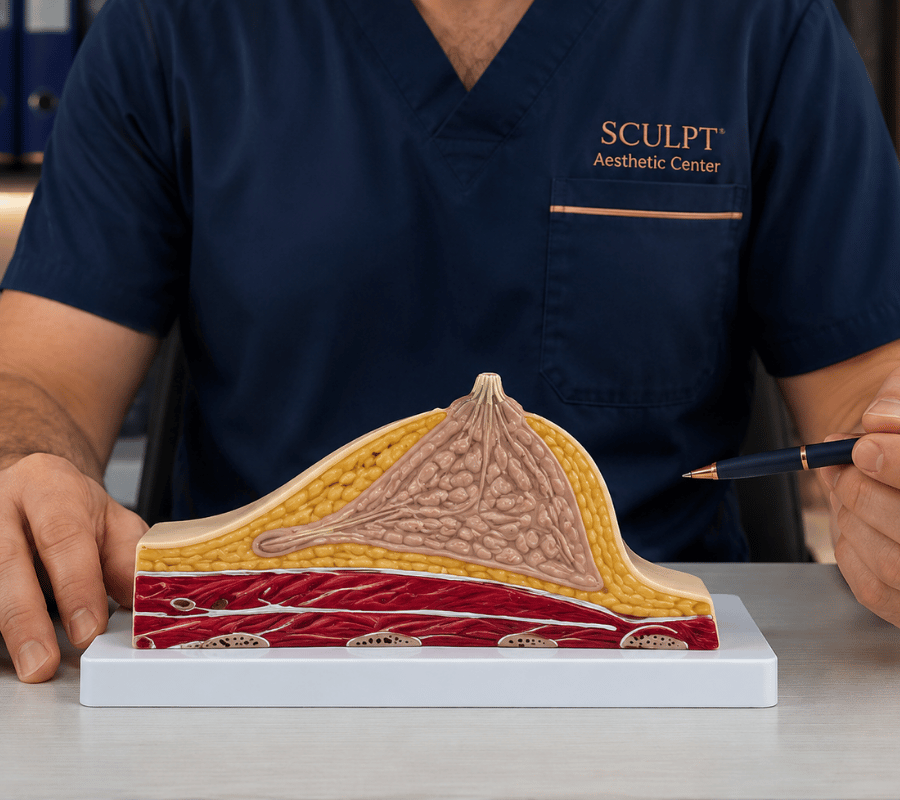
Chest fat and glandular tissue can look similar from the outside, but they do not behave the same way.
Gynecomastia often shows up as:
- a firm or rubbery fullness beneath the nipple or areola
- nipples that stay puffy even when the rest of the chest leans out
- one side looking different from the other
- chest fullness that does not respond the way the rest of your body does to weight loss
If everything else is leaning out and your nipples are still refusing to cooperate, that’s worth a closer look.
Extra chest fat can shrink when overall body fat comes down. Established glandular tissue usually plays by different rules.
Not sure which one you’re dealing with? Our What Is Gynecomastia? guide breaks down gland vs. fat, common signs, causes, and how Dr. Beck evaluates the difference.
Why do guys get gynecomastia?
Here’s where gyno gets annoying: there isn’t one universal reason it shows up.
Hormones are part of the equation because male breast tissue responds to the balance between testosterone and estrogen. But that balance can be affected by a lot more than simply having “low T.”
Gynecomastia can be associated with:
- natural hormone changes during puberty or aging
- certain medications
- anabolic steroids and other substances
- medical conditions that affect hormones
- changes in testosterone or estrogen activity
- no obvious trigger at all
And then there’s body fat.
Gaining fat around the chest can make the area look fuller, but chest fat and glandular gynecomastia are not the same thing. You can lose the fat and still have gland sitting underneath the nipple.
That distinction matters because the cause can change what happens next.
If gyno is relatively new and tied to something that can be identified and addressed, there may be a reason to watch it before jumping straight to surgery. If the gland has been there for years, waiting for your hormones, diet, or workout routine to suddenly negotiate with it becomes a much weaker strategy.
That’s why figuring out what may be driving the gyno matters before deciding what, if anything, needs to happen next.
What Is the Best Treatment for Gynecomastia?
The best treatment is the one that actually fixes what is creating the problem.
Sounds obvious. It isn’t always treated that way.
When established glandular tissue is what needs to be removed, treatment becomes surgical. Creams, supplements, fat loss, or wishful thinking cannot physically take the gland out.
There’s no prize for choosing the least invasive option if it doesn’t treat what’s actually there.
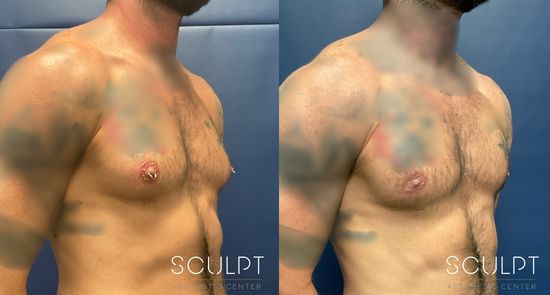
At SCULPT, Dr. Beck performs complete gland excision through his Infinity Edge Procedure™, placing the incision along the natural border of the areola and building the correction around the male chest underneath it.
Some men need gland excision alone. Others need additional contouring because the gland is only one part of what is affecting the shape of the chest.
That decision is made during the consultation based on the individual chest, not added automatically because “more” sounds better.
More treatment isn’t better treatment. The right treatment is.
For men considering gynecomastia surgery in Dallas–Fort Worth, Dr. Beck’s approach starts with identifying exactly what needs to change, then treating that.
So, Can Gynecomastia Go Away Without Surgery?
Sometimes. But “without surgery” and “without doing anything” are not the same thing.
There are situations where waiting or addressing the underlying issue makes sense.
For example, newer gynecomastia related to normal hormonal changes may settle over time. If a medication, substance, or medical condition is contributing to the problem, addressing that factor may help stop the process from continuing.
And if what looks like gyno is actually mostly chest fat, losing body fat can absolutely change the appearance.
But here’s the part guys usually want someone to say clearly:
You cannot diet, bench press, massage, cream, or supplement established glandular tissue out of your chest.
If the gland is still there after the things that can change have changed, continuing to chase non-surgical fixes usually becomes an exercise in frustration.
That doesn’t mean every guy with gyno should sprint toward an operating room.
It means there is a point where the question changes from:
“What else can I try?”
to:
“Is this actually something that can still go away on its own?”
That’s where experience matters. The real question isn’t simply whether surgery exists, but whether your chest actually needs it.
If there’s a realistic reason to wait, wait. If there isn’t, at least stop wasting time pretending there might be.
Will TRT get rid of gynecomastia?
TRT has a job. Removing established gyno isn’t it.
If you have clinically low testosterone, testosterone replacement therapy may be appropriate for your overall health, symptoms, and hormone management. But raising testosterone does not physically remove glandular tissue that is already sitting beneath the nipple.
That distinction gets lost online all the time.
Testosterone and estrogen both play a role in male breast tissue, which is why TRT and gyno often end up in the same conversation. But treating low testosterone and treating an established gland are two different jobs.
TRT can also affect hormone balance differently from one man to another. That is why starting, stopping, or changing hormone therapy because your chest looks different should not become a DIY experiment.
If you’re already on TRT and notice new nipple tenderness, puffiness, or changes in your chest, bring it up and make sure both sides of the equation are being evaluated.
Don’t start chasing your estrogen numbers because somebody in a gym locker room diagnosed your nipples.
This is where SCULPT’s 360° approach to men’s health actually matters.
Dr. Beck specializes in gynecomastia and male chest surgery, while SCULPT’s wellness team can evaluate hormone health when there is a legitimate reason to look deeper. You are not bouncing between one practice that understands your hormones and another that understands your chest.
Men who need testosterone or broader hormone management can learn more about our Bioidentical Hormone Replacement Therapy program.
But the distinction stays important:
Hormone optimization and gynecomastia surgery are not interchangeable treatments.
If hormones need attention, address the hormones. If established gland needs to come out, treat the gland.
Different problem. Different tool. Same place that understands the whole guy.
Now You Know a Guy for Gyno in Dallas–Fort Worth
At some point, Google has done all it can do.
You’ve read about hormones. You’ve looked at gland versus fat. You’ve wondered whether to wait, train harder, change something medically, or finally deal with it.
Now you need an answer about your chest.
Gynecomastia is one of Dr. Beck’s specialties. He performs more than 200 gynecomastia procedures each year and treats the full spectrum of male chests, from subtle gland beneath the nipple to larger, more complex cases requiring a more involved surgical plan.
SCULPT is located in Frisco and treats men throughout Dallas–Fort Worth who want a surgeon who understands that male chest surgery is not an afterthought.
If surgery makes sense, Dr. Beck will explain why. If your chest needs something different, that conversation should happen too.
You don’t need another opinion from the mirror. You need to know what you’re actually dealing with.
One thing we hear from male patients all the time? “I wish I’d dealt with this sooner.”
Not because every guy needed surgery years earlier, but because many spent years adjusting shirts, avoiding situations, second-guessing their chest, or trying fixes that were never going to remove established gland.
Want to learn more about Dr. Beck’s approach to gynecomastia surgery in Dallas–Fort Worth? Explore the full procedure page or get an answer specific to your chest.
You can keep playing the gyno waiting game, or you can finally find out whether there’s anything left worth waiting for.
Gyno issues? Now you know a guy.
Not ready to talk yet? Build Your Treatment Plan